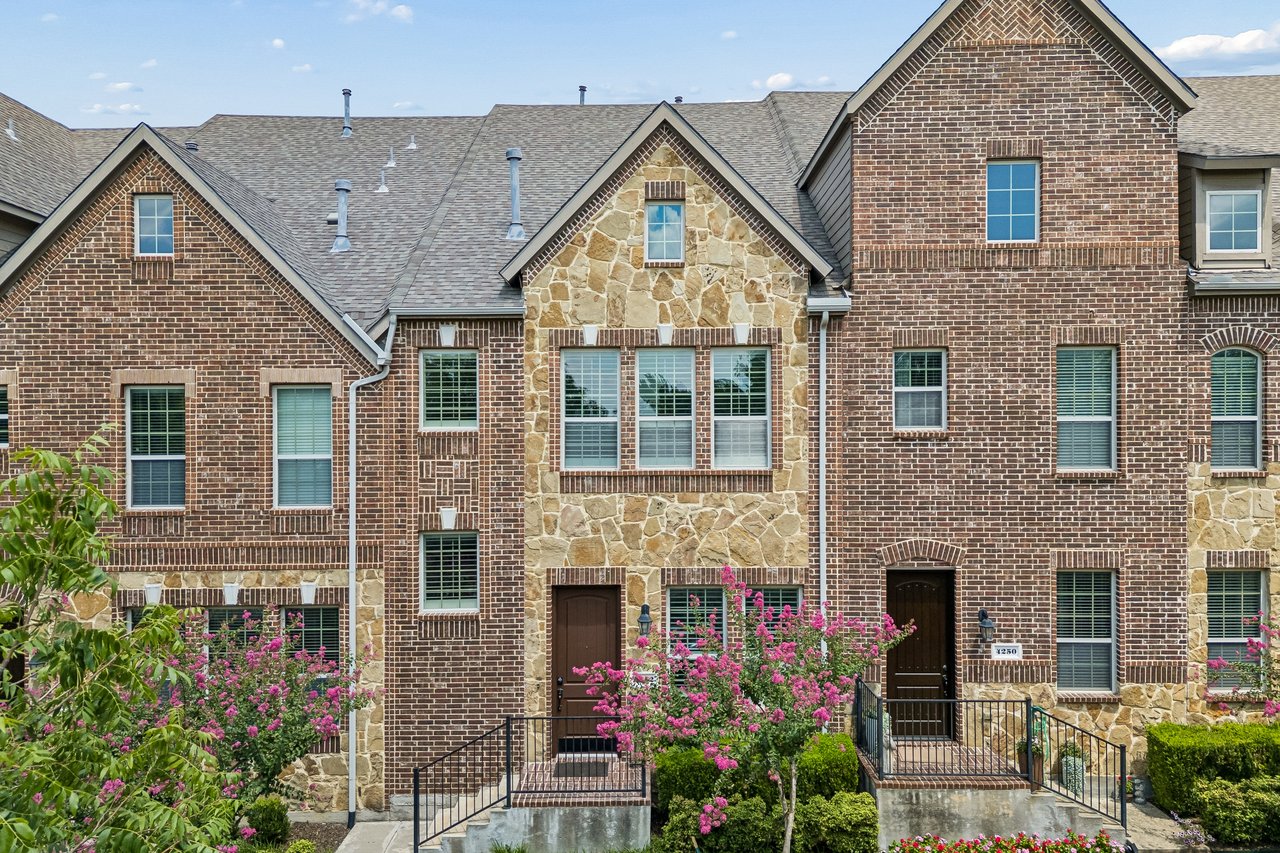
If you’re buying new construction in Frisco, Prosper, Celina, McKinney, Sherman, Little Elm, Aubrey, or anywhere in North Texas, the contract you’ll sign is completely different from the standard resale contract.
Resale homes use the TREC 1–4 Family Residential Contract—a state-approved form designed to protect both parties.
But builders do NOT use TREC contracts.
They use their own builder-drafted contracts written to protect them, not you.
And the differences matter—a LOT.
Let me walk you through the biggest distinctions and how I protect you when buying new construction.
1. TREC Contracts Are Balanced. Builder Contracts Are Not.
TREC 1–4 Contract
✔️ State-approved
✔️ Written by lawyers for consumer protection
✔️ Balanced between buyer and seller
✔️ Standardized across Texas
Builder Contracts
❌ Written by the builder’s attorneys
❌ Favor the builder heavily
❌ No standard format
❌ Every builder contract is different
Some builder contracts are 12 pages.
Others are 70+.
All are designed to protect the builder first.
2. Option Periods Are Totally Different
TREC Contracts
✔️ Buyer gets an option period (usually 5–10 days)
✔️ Buyer can terminate for ANY reason
✔️ Only loses small option fee
Builder Contracts
❌ NO option period
❌ NO unconditional termination right
❌ Buyer cannot just walk away
❌ Cancellation = big penalties
If you change your mind, you typically lose:
💲 The entire deposit
💲 Any upgrade deposits
💲 Potential design center payments
This is why early inspection and due diligence are crucial.
3. Earnest Money & Deposits Are Much Larger
TREC Contracts
✔️ Earnest money is typically 1%
✔️ Option fee is a few hundred dollars
Builder Contracts
❌ Deposits range from $5,000 to $100,000+
❌ Deposits may be non-refundable
❌ Upgrades require additional deposits
❌ Some deposits are due before financing approval
The deposit terms vary widely by builder.
4. Appraisal Protections Are Very Different
TREC Contract
✔️ Appraisal Addendum protects buyer
✔️ If home doesn’t appraise, buyer can renegotiate or terminate
Builder Contracts
❌ No appraisal contingency
❌ Buyer must make up appraisal gap in cash
❌ No renegotiation rights
❌ No termination rights
If the appraisal comes in low, you’re responsible for the difference.
I help you plan for this upfront.
5. Financing Protections Are Much Weaker
TREC Contract
✔️ Buyer protected if financing fails
✔️ Earnest money returned
Builder Contracts
❌ Financing must be secured within builder’s timeline
❌ Missed deadline = breach
❌ Deposit usually forfeited
Some builders require you to use their lender—or lose incentives.
6. Construction Delays Are Allowed (For the Builder)
Builders include language like:
✔️ “Substantial completion” clauses
✔️ Broad delay allowances
✔️ No guaranteed closing dates
✔️ No penalties if construction runs long
But buyers are expected to:
❌ Close as soon as the home is ready
❌ Not delay closing
❌ Accept schedule changes
Builder contracts heavily favor the builder’s timeline.
7. Inspection Rights Are More Limited
TREC Contract
✔️ Buyer can hire any inspector
✔️ Buyer can negotiate repairs
Builder Contract
❌ Inspections require builder approval
❌ Inspectors must follow builder rules
❌ Repairs are rarely negotiable
❌ Builder chooses what is “acceptable”
I help you navigate pre-drywall and final inspections with inspectors who specialize in new construction.
8. Builder Warranty Terms Are Very Specific
Most Texas builders offer:
✔️ 1-year workmanship warranty
✔️ 2-year systems warranty
✔️ 10-year structural warranty
But the contract defines:
✔️ What’s covered
✔️ What’s excluded
✔️ Claims process
✔️ Builder’s right to choose repair vs. replacement
Some warranties are excellent.
Others are very weak.
I review the warranty with you so you know what to expect.
9. Change Orders Are Entirely Controlled by the Builder
✔️ Builder can increase upgrade pricing
✔️ Builder can limit changes
✔️ Builder can refuse late changes
The contract typically states:
All change orders are final and non-refundable.
10. Builder Can Terminate More Easily Than the Buyer
Builder contracts usually allow the builder to terminate for reasons like:
✔️ Permit issues
✔️ Material shortages
✔️ Construction problems
✔️ Pricing errors
✔️ Buyer delay
In many cases, the builder will refund your deposit—but you lose time and rate locks.
11. Closing Costs and Title Requirements Differ
Builders often require:
✔️ Using their title company
✔️ Paying specific fees
✔️ Paying for certain endorsements
✔️ Using builder-selected vendors
Sometimes incentives only apply if you use their:
✔️ Lender
✔️ Title company
✔️ Insurance provider
I tell you when the incentive is worth it—and when it’s not.
12. My Role When Reviewing a Builder Contract
When you’re buying new construction, my job is to protect you by:
✔️ Reviewing the entire contract before you sign
✔️ Highlighting risks
✔️ Explaining all timelines
✔️ Confirming deposit rules
✔️ Checking appraisal protections
✔️ Reading warranty language
✔️ Coordinating pre-drywall inspections
✔️ Protecting you during construction
✔️ Verifying final walkthrough items
✔️ Making sure you’re treated fairly
A builder contract should NEVER be signed without guidance.
13. My Rule of Thumb
**A TREC contract protects you.
A builder contract protects the builder.**
This doesn’t mean you shouldn’t buy new construction—just that you should understand the differences.
Bottom Line: Builder Contracts Are Totally Different—And You Need a Realtor Who Understands Them
When I represent you in new construction, I make sure:
✔️ You understand all risks
✔️ Your deposit is protected where possible
✔️ You’re not blindsided by low appraisals
✔️ Inspections happen at the right times
✔️ You stay on schedule
✔️ Builders honor their commitments
✔️ Final walkthrough issues get addressed
Buying new construction is exciting—but it can also be risky without proper guidance.
Want a Realtor Who Knows New Construction Inside & Out?
If you’re considering a new build in North Texas, I’d love to help you review the contract and protect your investment.