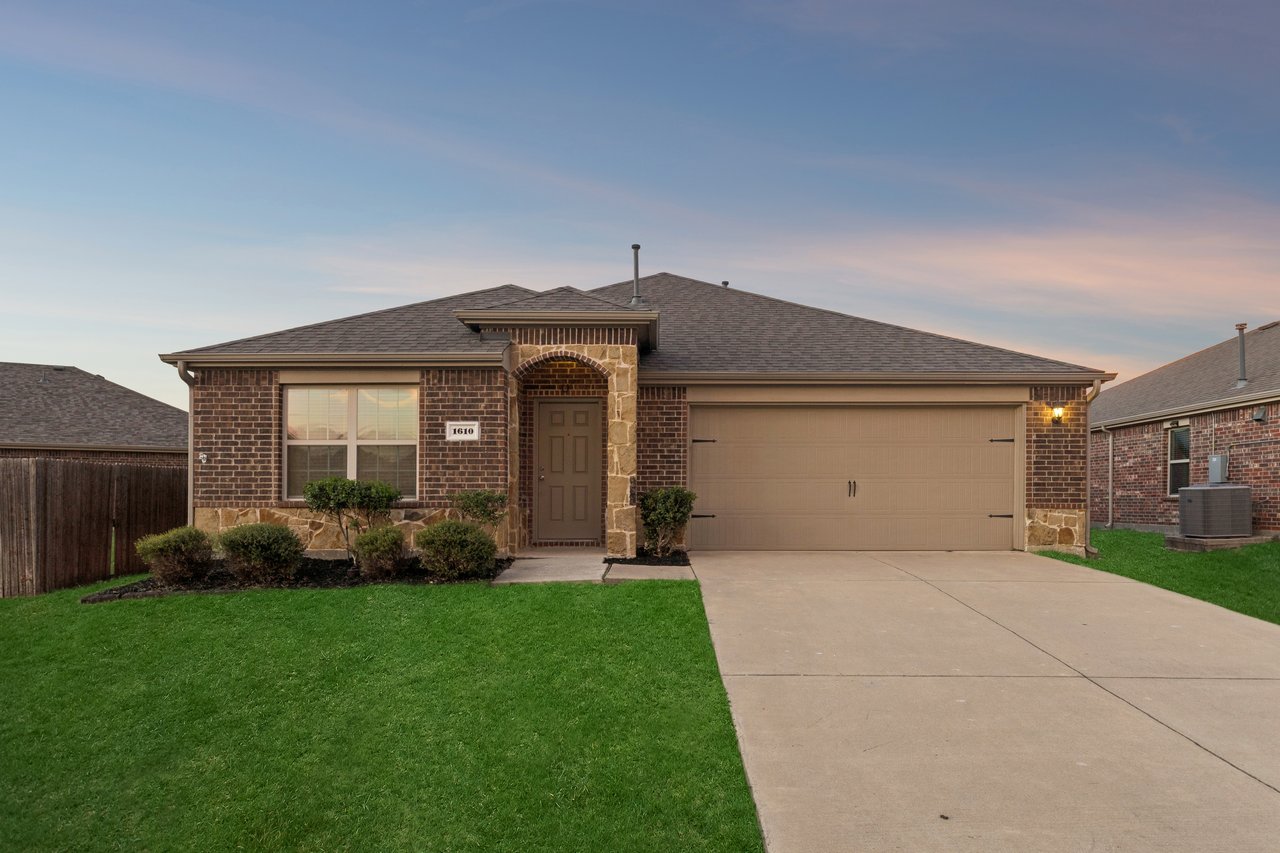
If you own a home in Frisco, Prosper, McKinney, Celina, Plano, Little Elm, Aubrey, Sherman, or anywhere in North Texas, you’ve probably been offered (or inherited) a home warranty.
Home warranties can save you money—but they can also cause headaches if you don’t know how they work.
I explain home warranties to clients all the time, especially during the first year after closing. Here’s the truth about what’s covered, what’s not, how claims work, and whether they’re worth keeping.
1. What Is a Home Warranty?
A home warranty is a service contract, not insurance.
It covers repair or replacement of certain systems and appliances in your home.
Think of it as a “repair plan” for unexpected breakdowns.
2. What Home Warranties Typically Cover
Coverage varies, but most Texas plans include:
✔️ HVAC system
✔️ Furnace
✔️ Water heater
✔️ Plumbing systems
✔️ Electrical systems
✔️ Garage door openers
✔️ Built-in microwave
✔️ Oven/range
✔️ Dishwasher
✔️ Garbage disposal
✔️ Ceiling fans
Higher-tier plans may include:
✔️ Refrigerator
✔️ Washer/dryer
✔️ Second HVAC system
✔️ Pool equipment
✔️ Roof leak coverage
I help clients choose plans that match the age and condition of their home.
3. What Warranties Do NOT Cover
This is where homeowners get frustrated.
Most warranties exclude:
❌ Pre-existing conditions
❌ Improper installation
❌ Improper maintenance
❌ Code upgrades
❌ Cosmetic issues
❌ Manufacturer defects
❌ Damage from storms
❌ Windows, doors, siding
❌ Foundation issues
❌ Sprinkler systems (often extra)
Warranties cover functional failures—not improvement or maintenance items.
4. Cost of a Home Warranty in Texas
Most plans cost:
💰 $500–$900 per year
Plus a service call fee (per visit):
💰 $75–$125
This fee is paid to the contractor who shows up.
Some companies also offer:
✔️ No-service-fee upgrade
✔️ Multi-year discounts
✔️ Buyer specials during closing
I help clients choose the right level of protection.
5. How Home Warranty Claims Work
The process is fairly simple:
Step 1 — Call or submit claim online
You’ll request service through the warranty portal.
Step 2 — Pay service fee
You pay a set fee (usually $75–$100) for the contractor visit.
Step 3 — Assigned contractor visits the home
The warranty company chooses the contractor.
You cannot select your own unless the company approves it.
Step 4 — Contractor diagnoses the issue
He/she sends report to the warranty company.
Step 5 — Warranty approves repair or replacement
Approval depends on:
✔️ Policy coverage
✔️ Age/condition
✔️ Cause of failure
✔️ Part availability
Step 6 — Repair or replacement is completed
If approved, it’s usually completed within:
⏱️ 2–7 days
(but can be longer for A/C units in summer)
6. The Biggest Limitations (The Fine Print)
This is where homeowners get confused or frustrated.
A) Coverage Caps
Most warranties have dollar limits:
-
HVAC replacement cap: $1,500 to $3,000
-
Appliances: $500 to $2,000
-
Plumbing: $500 to $1,000
If the repair costs more, you pay the difference.
B) Contractor Choice Restrictions
Warranty companies use their own vendors.
If you want your preferred contractor, you usually must:
✔️ Pay out of pocket
or
✔️ Provide a third-party report to warranty company
C) Slow Response During Peak Season
Example:
❄️ Heaters fail in winter
🔥 AC fails in August
High volume = longer wait times.
D) Code Upgrade Limits
If your system needs:
✔️ New ductwork
✔️ New drain pans
✔️ Electrical upgrades
✔️ Line-set changes
You often must pay extra.
7. Are Home Warranties Worth It in Texas?
✔️ Yes — if your systems are older
HVAC units in North Texas work hard.
A warranty can save you thousands.
✔️ Yes — for first-year homeowners
It provides peace of mind during a stressful transition.
✔️ No — if your systems are newer
New construction has builder warranties, making a home warranty unnecessary in year one.
✔️ No — if you prefer choosing your own contractors
Warranty restrictions will frustrate you.
8. Common Repairs Texas Homeowners Use Warranties For
HVAC
✔️ Capacitors
✔️ Coils
✔️ Compressors
✔️ Motors
✔️ Refrigerant leaks
Plumbing
✔️ Leaky faucets
✔️ Slow drains
✔️ Running toilets
✔️ Minor pipe failures
Electrical
✔️ Breaker issues
✔️ Outlet failures
✔️ Ceiling fan replacements
Appliances
✔️ Dishwashers
✔️ Ovens
✔️ Microwaves
✔️ Garage door openers
These alone often justify the yearly cost.
9. Best Home Warranty Companies I See in North Texas
(Not sponsored — just based on real experience with clients.)
👍 American Home Shield (AHS)
Most flexible, best HVAC coverage.
👍 Choice Home Warranty
Strong coverage for newer homes.
👍 2-10 Home Warranty
Great for new construction and structural add-ons.
👍 Select Home Warranty
Best budget option.
👍 HomeServe
Good for targeted plumbing/electrical issues.
I help clients match their home’s age and condition to the best plan.
10. Tips for Getting the Most Out of Your Warranty
✔️ Keep systems maintained
Warranty companies deny claims for “lack of maintenance.”
✔️ File claims early
A small issue becomes a bigger one later.
✔️ Document everything
Photos, notes, receipts—these help if a claim is questioned.
✔️ Ask for replacements when repairs repeat
Many warranties offer replacement after multiple failures.
✔️ Read your policy
Know your coverage caps and exclusions.
11. My Rule of Thumb
**If your HVAC is 10+ years old, you should probably have a home warranty.
If your HVAC is under 5 years old, you probably don’t need one.**
Texas summers are brutal—and AC issues are the most common claims I see.
Bottom Line: Home Warranties Can Be Useful—But Only If You Know How They Work
When I represent you, I help you:
✔️ Choose the right warranty
✔️ Understand what’s covered
✔️ File claims correctly
✔️ Avoid unnecessary fees
✔️ Navigate HVAC and plumbing issues
✔️ Know when to replace instead of repair
This is part of my service to you as a long-term homeowner—not just a one-time transaction.
Need Help Choosing a Warranty?
If you want recommendations tailored to your home’s age, condition, and systems, I’m here to help.
📞 Call or Text: (254) 644-5297✉️ Email Me