Interest rates move constantly.
Sometimes they move a little.
Sometimes they jump dramatically overnight.
That’s why one of the biggest decisions we make during your loan process—whether you’re buying in Frisco, Prosper, McKinney, Plano, Celina, Little Elm, or anywhere in North Texas—is when to lock your interest rate.
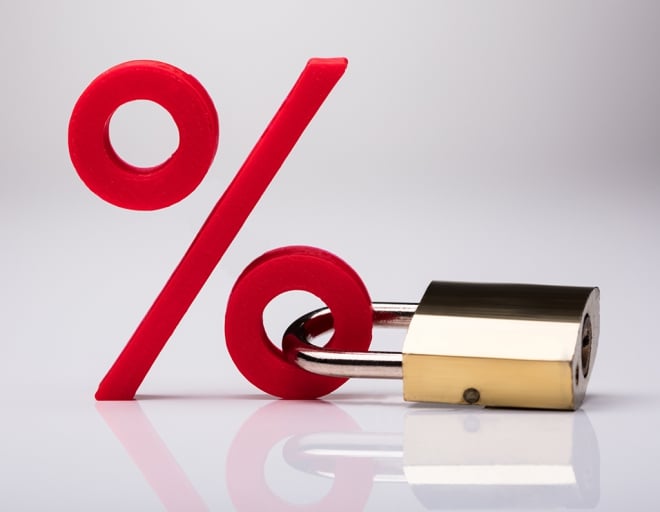
A rate lock protects you from rising rates and gives you stability as you move toward closing.
Here’s exactly how interest rate locks work and how I help you decide the right moment to lock in.
1. What Is an Interest Rate Lock?
A rate lock guarantees your interest rate for a set period of time.
✔️ The rate cannot increase during the lock
✔️ The rate is tied to your specific loan
✔️ Once locked, the lender must honor it
It gives you peace of mind as mortgage markets fluctuate.
2. How Long Do Rate Locks Typically Last?
Most lenders offer lock periods such as:
✔️ 15-day lock
✔️ 30-day lock
✔️ 45-day lock
✔️ 60-day lock
✔️ 90-day lock (less common)
✔️ 120-day lock (new construction)
The longer the lock, the more it typically costs (either in fees or slightly higher rates).
3. When Do I Recommend Locking the Rate?
It depends on your situation, but here are the most common scenarios:
✔️ Lock early when rates are rising fast
✔️ Lock later when rates are trending downward
✔️ Lock immediately if your debt-to-income ratio is tight
✔️ Lock after appraisal in some cases (if we expect a value surprise)
✔️ Lock once under contract for most buyers
I track the mortgage market daily so you don’t have to.
4. What Affects the Rate You Receive?
Your interest rate depends on:
✔️ Credit score
✔️ Loan program (Conventional, FHA, VA, USDA)
✔️ Down payment amount
✔️ Debt-to-income ratio
✔️ Property type
✔️ Rate-lock length
✔️ Market conditions
Small changes in any of these can adjust your offered rate.
5. What Happens if Rates Go Up After You Lock?
Nothing.
Your locked rate stays the same.
This is the main advantage of locking early.
6. What Happens if Rates Go Down After You Lock?
Good news—many lenders offer a float-down option.
A float-down allows you to lower your locked rate one time if market rates drop during your lock period.
Float-downs may require:
✔️ A fee
✔️ A minimum rate drop (often 0.25%+)
I help you understand your lender’s exact float-down policy before locking.
7. Can a Rate Lock Expire?
Yes.
If your rate lock expires before closing, you may need to:
✔️ Extend the lock (fee may apply)
✔️ Accept current market rates
✔️ Re-lock at new pricing
This is why we coordinate closely with your lender.
8. Rate Lock Extensions
If closing is delayed, your lender may offer:
✔️ 7-day extension
✔️ 15-day extension
✔️ Per-day pricing
Extensions are usually inexpensive—but last-minute delays can add cost.
I stay ahead of deadlines to avoid unnecessary fees.
9. Rate Locks for New Construction
Builders in North Texas often require longer lock periods due to unpredictable completion dates.
Builders may offer:
✔️ 90-day locks
✔️ 120-day locks
✔️ Extended locks with float-down options
✔️ Incentives tied to their preferred lender
Locking too early can be expensive on new construction, so I help you coordinate timing carefully.
10. Should You Lock or Float? My Strategy for Texas Buyers
When advising clients, I consider:
✔️ Market trend direction
✔️ Federal Reserve policy
✔️ Employment/wage trends
✔️ Inflation reports
✔️ Your financial comfort
✔️ Your loan type
✔️ Cash-to-close sensitivity
✔️ Closing timeline
Then I give you a recommendation tailored to your situation—not a one-size-fits-all approach.
11. Locking Early vs. Locking Late
Lock Early If:
✔️ Rates are climbing
✔️ Your budget is tight
✔️ DTI ratio is borderline
✔️ You want absolute certainty
✔️ You’re risk-averse
Lock Later If:
✔️ Rates are dropping
✔️ You have room in your DTI ratio
✔️ You want maximum savings
✔️ You prefer some risk for potential reward
I review current rate trends with you to determine the best approach.
12. What If Your Loan Type Changes After Locking?
If you switch from:
-
FHA → Conventional
-
Conventional → FHA
-
Single-family → condo
-
5% down → 10% down
…your pricing will change.
In these situations, the lender may:
✔️ Reprice the loan
✔️ Re-lock the rate
✔️ Require a new lock period
I help you avoid these complications by planning ahead.
13. Can You Switch Lenders After Locking?
Yes, but:
✔️ You lose the lock
✔️ You start the application over
✔️ It may delay closing
✔️ The seller may not approve the change
I only recommend switching if there’s a major lender mistake or a significantly better offer elsewhere.
14. My Role During the Rate Lock Process
When I represent you, I:
✔️ Coordinate timing with your lender
✔️ Explain lock options and costs
✔️ Monitor market trends
✔️ Help you understand float-down opportunities
✔️ Make sure lock doesn’t expire
✔️ Review loan documents
✔️ Protect your financial interests
You’ll never make rate decisions blindly.
Bottom Line: Rate Locks Protect You from Market Volatility
A well-timed rate lock can:
✔️ Lower your long-term payment
✔️ Protect your buying power
✔️ Prevent last-minute surprises
✔️ Save you thousands over time
My goal is to help you lock strategically—not emotionally.
When we work together, I make sure you understand:
✔️ When to lock
✔️ How long to lock
✔️ Whether to float down
✔️ How to avoid lock expiration
✔️ How the lock affects your closing timeline
You’ll always make informed decisions.
Want a Realtor Who Coordinates Your Loan and Rate Strategy?
If you want a smooth, well-managed, stress-free rate-lock process in North Texas, I’d love to help.